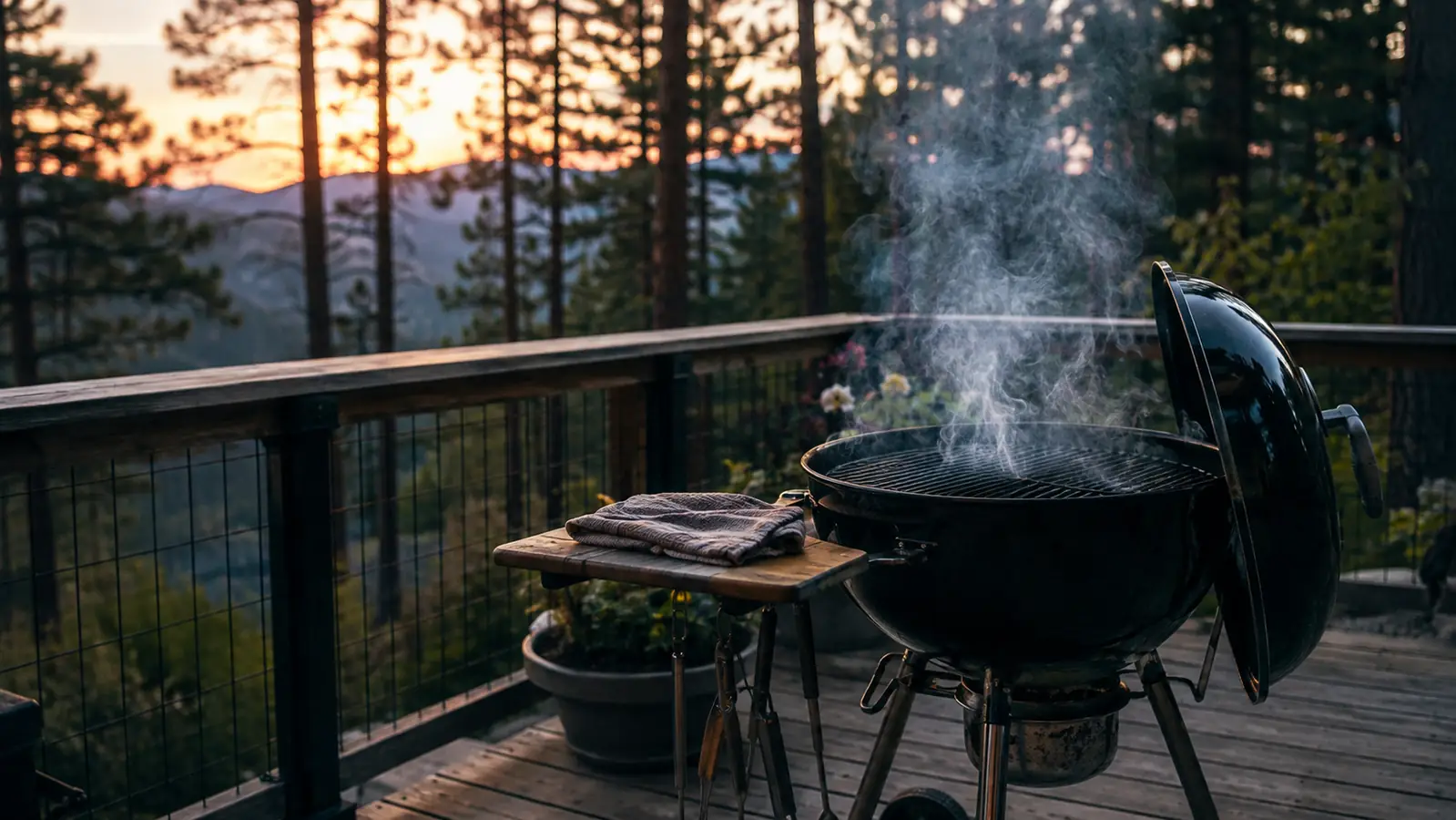
If you have cooked outdoors for any length of time, you probably own a drawer full of upgrades that let you down. A thermometer that ran twenty degrees hot. A brush that shed bristles onto the food. A cover that split the same season it arrived. When I ordered the Skyflame smoker box last spring, I expected it to end up in that drawer by July. Four months later, with more than a dozen Sunday cooks behind it on my 22-inch charcoal kettle, the Skyflame still sits on the shelf next to my chimney starter. It has also taught me three honest lessons that no product photo mentions.
Let me be straight about how I tested it, because the method changes the verdict. I cook on that charcoal kettle, bought used more than twenty years ago, and on an offset stick burner that I welded a new baffle into myself. I do not own a gas grill, so this box was tested over lump charcoal, fed with oak and hickory from my own property. I ran it on pork shoulder, a brisket flat, chicken legs, and one salmon fillet that Deb still brings up at dinner. I tried dry chips and soaked chips, two brands of hardwood, and one bag of pellets just to see. What follows is what actually happened, including the parts that irritated me.
The Quick Verdict
A sturdy little box that delivers clean smoke for the first part of a cook and asks you to manage the details after that. Worth a place next to the chimney starter, with honest limits.
Amazon Check Today's Price →Real Smoke From the Grill You Already Own
The Skyflame box added real smoke flavor to my kettle that foil packets never managed in twenty years. Read where it works, where it falls short, and whether it belongs on your shelf.
Amazon Check Today's Price on Amazon →How I've Used It
The design is simple, and simple is why it works. You fill the box with dry wood chips, close the lid, and set it on or near the coals. Heat makes the wood smolder, and smoke finds its way out through vents in the top and sides. The Skyflame version adds two details that earn their keep over time: a hinged lid that lets you add chips with one gloved hand, and adjustable vents that let you dial the smoke back when you want a lighter touch.
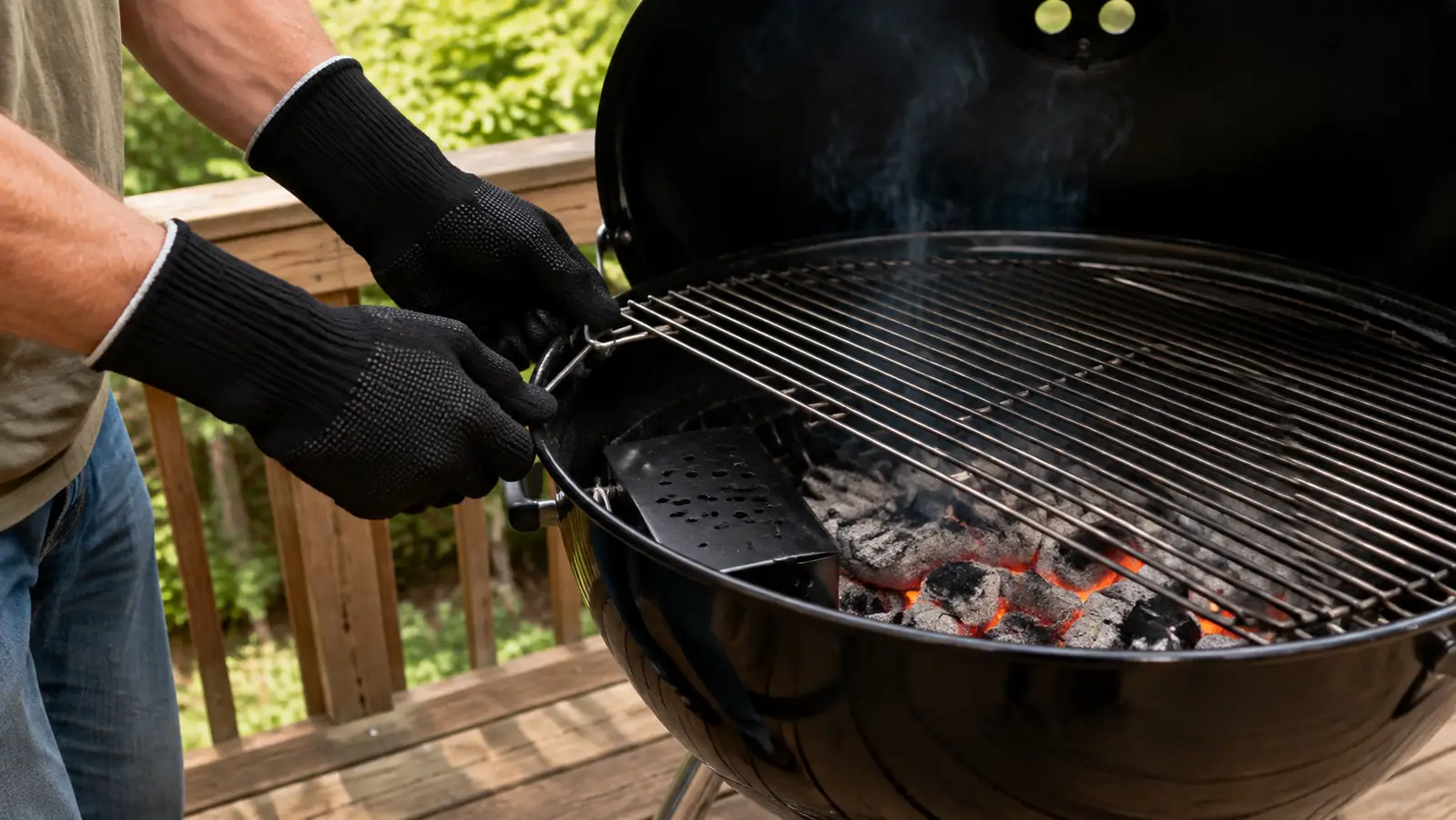
My routine settled after a few cooks. I fill the box about three quarters full with dry chips, set it at the edge of the coal bed instead of dead center, and close the grill lid so everything comes up to temperature together. That edge placement matters more than any other detail. On the edge, the box gets steady heat but stays out of the worst of the ash. Dead center, it smokes hard for a short burst and then chokes itself on ash. Learn the edge placement first and the box behaves.
I mostly run dry chips because they smoke faster and the flavor comes through cleaner. Soaked chips smolder longer and cooler, which stretches the box, but they steam before they smoke and the first few minutes of output are thin. For a two hour chicken cook I still soak sometimes. For a long pork shoulder I start dry, let the first fill burn hard, and refill once with a mix of dry and soaked to carry the back half of the cook. None of that is in the instructions, and none of it is difficult.
One note on placement if you run propane. Skyflame sells this box for charcoal and gas grills both. On a gas grill you would set it on the flavorizer bars or directly over a burner and watch it until the smoke settles. I cannot speak from a full season on propane because I do not own a gas grill. The cooks I trust who run these on gas report the same two quirks I found: the hinge gets sticky with creosote, and the vents need a scrape now and then.
The Smoke Duration Question Nobody Answers
Here is the honest part that the listings leave out. A full box of dry hardwood chips in my kettle produced steady, visible smoke for about twenty-five minutes. After that, the stream thinned to almost nothing even though the box stayed hot. The chips had turned to charcoal and stopped giving up smoke. I clocked it twice and got roughly the same number both times. That is the physics of wood smoke, and no small box changes it. This box does not smoke for the whole cook, and an honest review has to say that plainly.
Twenty-five minutes is shorter than most people expect and longer than most foil packets deliver. It matters because smoke flavor clings early in a cook, while the meat is still cool and the surface is still damp, and in that window the Skyflame box is genuinely good. My pork shoulder ran six hours and picked up a clean smoke ring in the first hour. Chicken legs, which cook in about ninety minutes, took smoke for their whole cook. If you expect a full brisket to taste like it came off a stick burner, you will be disappointed. If you expect the smoke flavor that foil never gave you, you will not be.
The refill question decides whether this box fits your style. Topping up means lifting the grate, opening a hot lid with one hand, and adding chips without dumping the heat out of the grill. On long cooks I do it once and it costs me about five minutes. Some cooks hate that interruption and would rather run a pellet tube that burns for hours untouched. That is a real trade to weigh, and I get to it later in this review.
What the Box Does to Actual Food
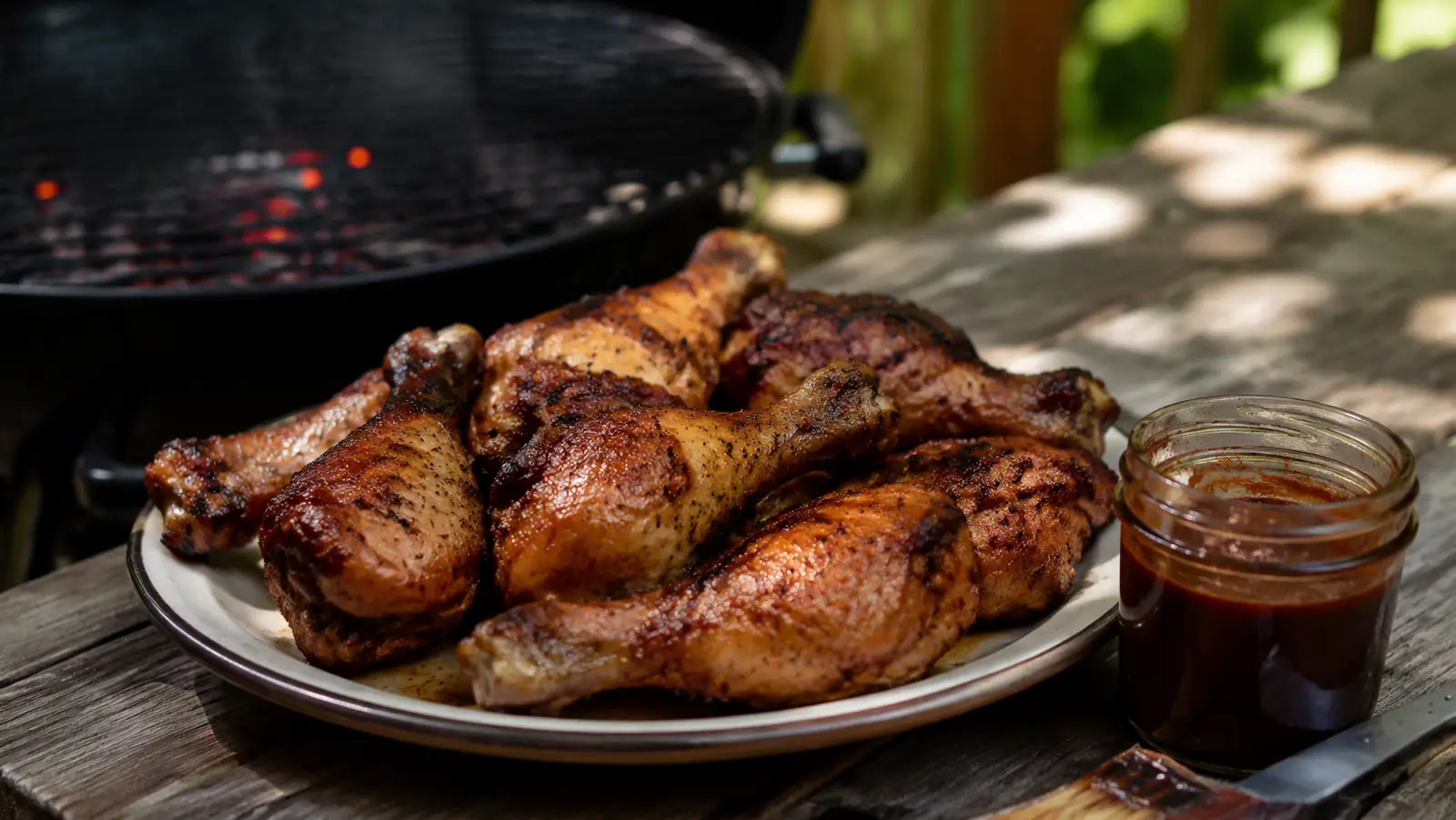
The box earns its keep on shorter cooks and on the front end of long ones. Chicken legs at about 300 degrees, with the skin crisping over an hour and a half, come off with a hickory flavor that runs through the whole bite instead of sitting on the surface. Pork shoulder, my usual Sunday cook, took a ring about a quarter inch deep in the first hour, and the box went quiet for the remaining five. Salmon was the surprise. I set the box farther from the fish and closed the vents halfway, and the fillet picked up a gentle smoke without turning into a campfire.
Hot and fast cooks do not benefit, and I want to be plain about that. When the coals are screaming for burgers or steaks, the box either smolders hard and adds a bitter edge, or it sits there doing nothing. I stopped using it for those cooks. Match the box to the method. It speaks low and slow, and it mumbles when you rush it.
The Annoyances That Show Up After Week Three
The hinge is the first thing to disappoint. Product photos show a clean, tidy lid. After three or four cooks, creosote builds up on the hinge pin and the lid starts to stick. You will find yourself nudging it with the end of a spatula or a gloved finger. A drop of oil on the pin after the box cools helps, and a scrape with a putty knife every few cooks keeps it moving. Ten minutes of maintenance, not a dealbreaker, but nobody tells you about it up front.
The vents are the second nuisance. They are small, and if the box sits directly on glowing coals, ash packs into the gaps. Once that happens, the vents stop sliding and the smoke output drops because the chips are not getting air. My fix is the edge placement I described, plus tapping the vents open with a knife blade before each fill. Small habits, but they are the difference between a box that cooperates and a box that fights you all afternoon.
The underside is the third thing nobody photographs. Four months in, the bottom of my box carries a dark crust that will not wash off. I tried hot soapy water, a stiff wire brush, and one vinegar soak. The crust lightens and then comes right back on the next cook. It does not hurt the flavor or the performance, and I stopped fighting it. But if you like your gear to stay looking new, accept that the bottom of this box will look like it has been through a fire, because it has.
What I Liked
- Adds real smoke flavor in the first hour of a cook, when it clings best
- Sturdy build that has held up through four months of regular use
- Hinged lid makes refills a one-handed job once you learn the trick
- Small footprint, easy to store between cooks
- Works on charcoal and propane grills, so it is not a one-grill tool
Where It Falls Short
- Lid hinge gets stiff as creosote builds up, expect to oil and scrape it
- Vents clog with ash when the box sits dead center on the coals
- One fill smokes for about twenty-five minutes, long cooks need a refill
- Dark crust builds on the underside and never quite comes off
- Product page oversells how long a single fill lasts
Twenty-five minutes of clean smoke at the front of a pork shoulder gave me the ring that twenty years of foil packets never managed.
Where the Box Beats Foil, and Where It Does Not
I spent years making foil packets: chips in a pouch, holes poked in the top, tossed onto the coals. They work, but they burn fast, they flare when the holes face the flame, and cleanup means peeling welded foil off the grate. The Skyflame box removes all three of those problems. The metal holds the chips together, the vents even out the airflow, and cleaning is a scrape instead of a wrestling match.
The one foil method that outlasts this box is the smolder pouch, a tight packet with a single hole that burns slowly for a long stretch. If your whole goal is hours of gentle smoke with no refills, a pellet tube beats both the pouch and the box on that one job. But for a normal Sunday cook with chicken or a pork shoulder, the box is more predictable, and predictable is what weekend cooking needs. It also does not leave you picking aluminum out of the ash.
Two Alternatives Worth Weighing
The pellet tube is the closest competitor if you are weighing both. A tube holds more fuel, smolders for hours, and suits cooks who do not want to touch the grill once it is running. The trade is that a tube sits on the cooking grate and takes up space where food could go, and the smoke profile is lighter on a short cook. For chicken, the box wins. For a long, slow cook where you want a faint accent of smoke with zero refills, the tube is the better answer.
The other alternative is a dedicated offset smoker, and I say that with care because I own one and love it. It is not the right answer for most people. It needs a fire to tend and room to store. A smoker box is the tool for a cook who wants smoke without a second appliance on the deck. It is the difference between learning to smoke and buying a hobby.
What I Would Change About This Box
If Skyflame asked me what to change, three small things would come up. First, the hinge could use a removable pin, because creosote will find it either way and a pin you can pull makes cleaning a two minute job. Second, the vents could be a little larger, with detents that keep them from sliding shut when you set the box down. Third, I would add a slight lip around the top so chips stay put when you carry a full box from the counter to the grill.
None of those are reasons to pass on the box. They are the difference between a good tool and a perfect one, and every maker has to draw the line somewhere. The honest summary is that the Skyflame does the one job that matters: it adds wood flavor to food you already cook well. The small flaws are part of the bargain you make for that simplicity.
Who This Is For
Buy the Skyflame box if you already own a grill, you cook most weekends, and you are tired of food that tastes grilled but never smoked. It suits a cook who is willing to learn one five minute habit: fill it, place it at the edge of the coals, scrape the hinge every few cooks. It suits someone who has tried liquid smoke and disliked the artificial edge, or who has gone through a roll of foil chasing a whiff of hickory. It is also the right first tool for someone who wants to find out whether they enjoy smoking before they spend serious money on a dedicated smoker.
Who Should Skip It
Skip it if you want set-and-forget smoke. If the thought of lifting the lid to refresh chips halfway through a brisket ruins your afternoon, you want a pellet tube or a dedicated smoker. Skip it if you mostly cook burgers and steaks hot and fast, because the box needs steady low heat and you will not use it often enough to justify the shelf space. And skip it if you expect one fill to smoke an entire long cook, because it will not. Keep that twenty-five minute number in your head before you buy.
The Bottom Line
The Skyflame box is a simple tool that does the one job that matters. It adds real wood smoke to food you already cook well, without a second appliance parked on your deck. It asks for a small maintenance habit and it will not smoke a brisket unattended, but it has earned the shelf space next to my chimney starter. If that sounds like your kind of upgrade, check today's price.
Amazon Check Today's Price on Amazon →